Rules side by side
Updated
Independent desk. Figures are traced to named sources and corrections are logged — see the editorial policy.
Ten minutes, five minutes, a three-on-three shootout, a runner on second base. Each league ends a tied game in a different way.
.jpg)
A tied score after regulation is settled differently in each of the four major North American leagues, and the differences go back to what each sport can tolerate: a baseball game can run indefinitely, while a football team can only play so many snaps.
NFL
In the regular season, overtime is a single period of up to 10 minutes. Both teams are guaranteed a possession unless the team that receives the kickoff scores a touchdown on its first drive. If the score is still level after 10 minutes, the game ends as a tie. In the playoffs the periods are 15 minutes, both teams are guaranteed a possession since the 2022 season, and play continues until there is a winner.
NBA
A tied game goes to a five-minute period, and as many as are needed follow until one team leads at the end of a period. There is no shootout and no tie.
NHL
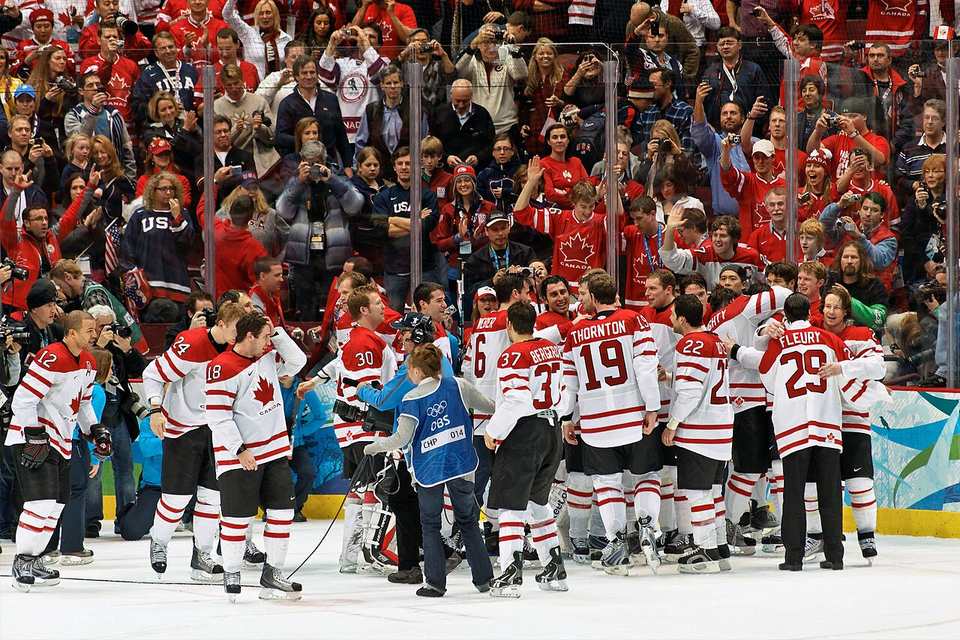
In the regular season, overtime is a five-minute, three-on-three, sudden-death period. If no one scores, the game goes to a shootout, which decides the extra point in the standings. In the playoffs, overtime is played with full teams of five skaters, in 20-minute periods, until someone scores.
MLB
A baseball game goes to extra innings until one team leads at the end of an inning. Since 2020, each extra inning begins with a runner on second base, a rule that was first a temporary measure and was made permanent in 2023 to shorten long games.
What it means for the standings
- The NFL is the only one of the four where a game can end tied.
- The NHL awards a point to the team that loses in overtime or a shootout.
- The NBA and MLB have no ties and no shootouts.