City guide
Updated
Independent desk. Figures are traced to named sources and corrections are logged — see the editorial policy.
Staten Island to Central Park in 26.2 miles, across five bridges. The first race, in 1970, never left the park.
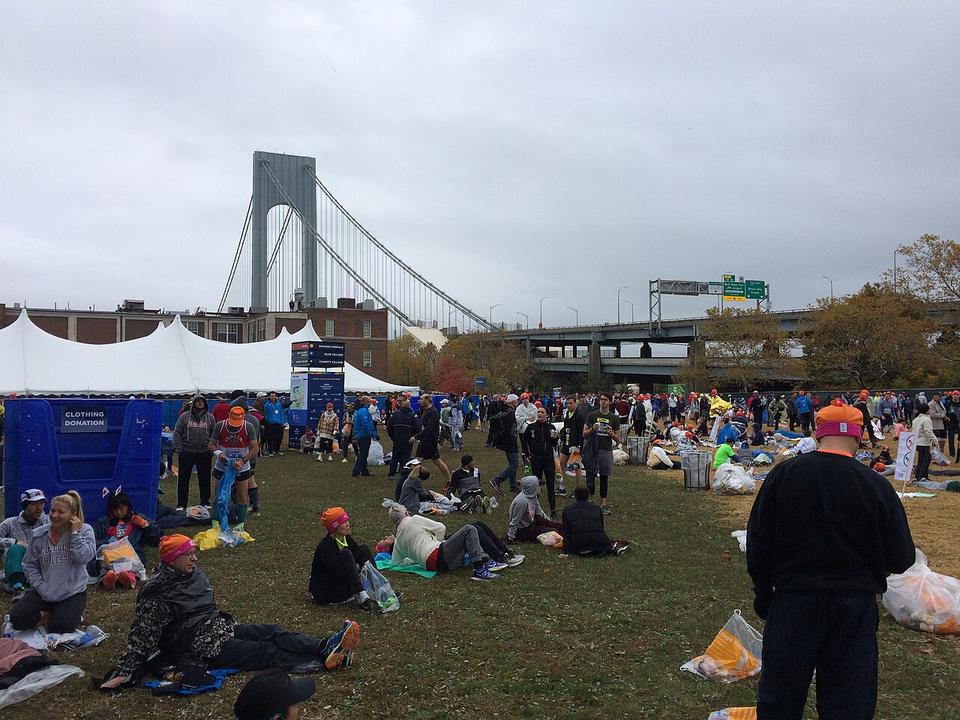

The New York City Marathon is the largest marathon in the world by number of finishers, and its course is the only one in the world to cross all five boroughs of a city. It has not always done so.
How it started
The first New York City Marathon, in 1970, was held entirely in Central Park, over several laps of the park drives, with a field of 127 runners. In 1976, as part of the city's celebration of the American bicentennial, the race moved to the streets of all five boroughs, and it has stayed there since.
The route
- Staten Island: the start is at the foot of the Verrazzano-Narrows Bridge, and the first mile and a half is the climb over the bridge.
- Brooklyn: the course comes off the bridge into Bay Ridge and runs north through Sunset Park, Park Slope and Williamsburg for about eleven miles, the longest single borough on the course.
- Queens: the race crosses the Pulaski Bridge into Long Island City at the halfway point and then turns toward the Queensboro Bridge.
- Manhattan: after the Queensboro Bridge, runners head north on First Avenue, which is known for the loudest crowds.
- The Bronx: a brief section north of the Willis Avenue Bridge, around mile 20.
- Back to Manhattan: down Fifth Avenue to Central Park and the finish near Tavern on the Green.
Dates and distance
The marathon distance is 26.2 miles, or 42.195 kilometres. The race is held on a Sunday in early November and is organised by the New York Road Runners, which also manages the finish line in Central Park.
Why the hills matter
The course is often described as hilly because of the bridges. Five major bridges carry the runners between boroughs, and a runner who goes out fast on the Verrazzano climb can pay for it on the Queensboro Bridge at mile 15 and on Fifth Avenue's long uphill grade at mile 23.